

Why copper power cable failures look different from one site to another
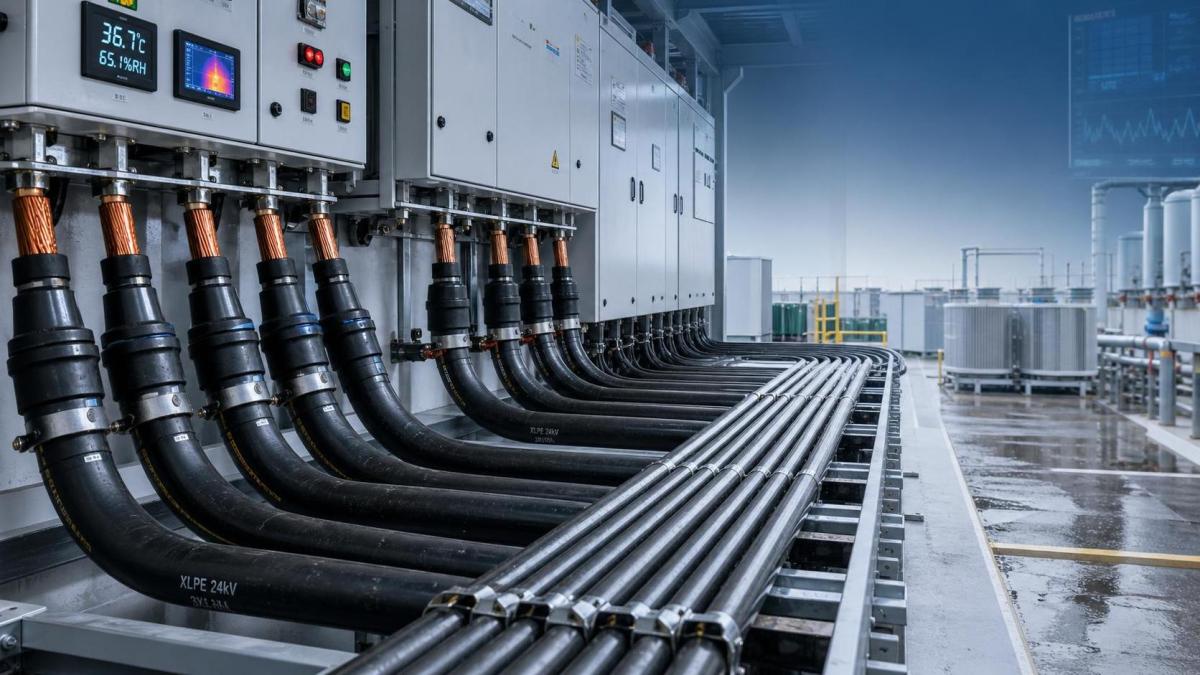
Copper power cable failures rarely begin as a single dramatic event. In many installations, the first signs are small: rising temperature, unstable readings, nuisance trips, or insulation values that drift downward over time.
That is why copper power cable troubleshooting works best when the operating scene is clear. A cable feeding a stable indoor panel faces very different stress than a cable exposed to vibration, moisture, overload cycles, or repeated maintenance handling.
In practical maintenance work, the same visible fault can come from very different causes. A burned termination may point to loose connections, but it may also reflect conductor oxidation, undersized lugs, harmonic heating, or enclosure ventilation problems.
For that reason, preventing copper power cable failure is not only about selecting a good conductor. It requires matching installation method, load profile, joint quality, and inspection routine to the real service environment.
Where insulation breakdown usually starts in real operation
Insulation breakdown often appears in humid utility rooms, cable trenches, buried routes, and outdoor transitions. These locations do not always look severe, yet they combine moisture, contamination, and temperature swings that slowly weaken dielectric performance.
A common mistake is treating water ingress as a sealing issue only. In reality, once moisture reaches damaged sheathing or poorly finished terminations, copper power cable insulation can age faster under normal voltage stress.
The more reliable approach is to check the whole path. Look at gland sealing, bend radius near entry points, jacket cuts from pulling, and whether supports allow water collection at low points.
In mixed-control and power areas, it also helps to review nearby cable types. Some facilities pair power circuits with specialized systems such as Control Cables for Power Generation Metallurgy Petrochemicals Electronic Computers, and route planning matters because crowding can complicate maintenance access and raise damage risk during rework.
What to verify before insulation damage becomes a shutdown
- Compare insulation resistance trends instead of relying on one reading.
- Inspect joints, glands, and sheath transitions after wet weather or washdown.
- Check whether tray edges, clamps, or pulling points have nicked the jacket.
- Confirm route drainage and avoid low spots where water remains trapped.
Overheating is often a load story, not only a cable story
When copper power cable overheating is reported, the first reaction is often to question conductor size. That matters, but operating conditions usually tell more. Continuous high current, poor grouping design, and harmonics can all raise conductor temperature beyond expected values.
This is especially common in production lines with frequent starts, variable-speed drives, and expansion work added in stages. The original cable may have been acceptable years ago, then become marginal after load growth and tray congestion increased thermal stress.
Heat also concentrates at transition points. Lugs, busbar links, and enclosed terminations often fail before the full cable length does. When the conductor is sound but the contact resistance rises, local hot spots can create discoloration, hardening, and eventually carbonized insulation.
A useful habit is to compare thermal images with load history. That makes copper power cable fault analysis more accurate than checking surface temperature alone.
Termination problems tend to appear where maintenance is frequent
Many copper power cable failures are created at the ends. Shutdown work, equipment replacement, and rushed reconnection often introduce poor crimping, wrong lug choice, damaged strands, or uneven torque.
This is more likely in switchboards, MCCs, and retrofit areas where space is tight. Installers may force a conductor into a short bend, trim strands for fit, or reuse hardware that no longer provides stable contact pressure.
The visible symptom may still be general overheating. However, if the heat pattern is localized near one end, the copper power cable itself may be healthy while the termination is failing.
In sites with mixed power and control circuits, careful identification matters during retermination. It is not unusual to see nearby assemblies, including Control Cables for Power Generation Metallurgy Petrochemicals Electronic Computers, handled during panel work. Clear separation reduces accidental strain and misrouting.
Field checks that prevent repeat failures
- Use the correct lug barrel and crimp die for the conductor class.
- Verify torque values after the first load cycle when possible.
- Avoid overstripping and protect strands from spread or cuts.
- Check clearance so the cable is not under constant side stress.
Mechanical damage is more common on routes that seem routine
Mechanical damage does not only happen in heavy construction zones. It is also common in ordinary service corridors, tray crossings, underfloor entries, and outdoor runs where cable support details were treated as secondary.
A copper power cable may perform well electrically while slowly degrading mechanically. Repeated vibration, poor cleating, sharp bending, and contact with metal edges can all create jacket wear that later leads to moisture entry or conductor damage.
Industrial sites with pumps, compressors, and movable assemblies deserve closer review. The fault may first appear as an intermittent trip, which is easy to misread as equipment instability rather than cable stress.
Different scenes change the inspection priority
The table below is useful when deciding where to spend inspection time first.
The most common misjudgments before a copper power cable fails
One frequent error is checking catalog ratings without checking actual site conditions. A copper power cable that is compliant on paper can still fail early when tray fill, ambient heat, or maintenance handling differ from the design assumption.
Another misjudgment is treating similar loads as identical. Two motors with the same power may create very different cable stress if one starts frequently, runs hotter, or sits in a poorly ventilated enclosure.
It is also risky to focus only on replacement cost. Repeat outages, troubleshooting time, and premature joint repairs usually cost more than the cable section itself.
More accurate decisions come from combining load behavior, environment, installation quality, and maintenance history. That wider view usually reveals why copper power cable reliability changes from one route to another.
How to reduce failures before the next shutdown window
A practical prevention plan starts with route mapping. Identify which copper power cable circuits face heat, moisture, vibration, crowding, or frequent reconnection. Those routes should move to the top of the inspection list.
Then compare three things together: measured load, surface temperature, and termination condition. When one of these is reviewed alone, the root cause is often missed.
- Record insulation trend data by route, not only by equipment name.
- Inspect joints and lugs after modifications or production expansion.
- Recheck derating whenever grouping, load profile, or ambient conditions change.
- Treat repeated local heating as a connection problem until proven otherwise.
- Build simple acceptance standards for bend radius, torque, sealing, and support spacing.
When copper power cable maintenance follows actual site conditions instead of assumptions, failures become easier to predict and less expensive to correct. The next useful step is to sort circuits by environment, load pattern, and access difficulty, then set inspection intervals that match those differences.